


Collection: Rugs
Ultra-soft plush rugs and irregular-shaped statement carpets. Non-slip, machine-washable, designed to anchor a room.
-
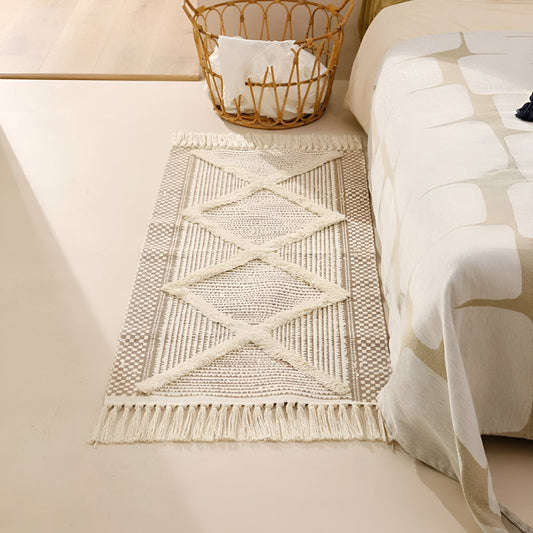
Beige Textured Tassel Rug | Moroccan 3D Tufted, Machine Washable
$84.95 USD$124.95 USDSave $40.00Sale -
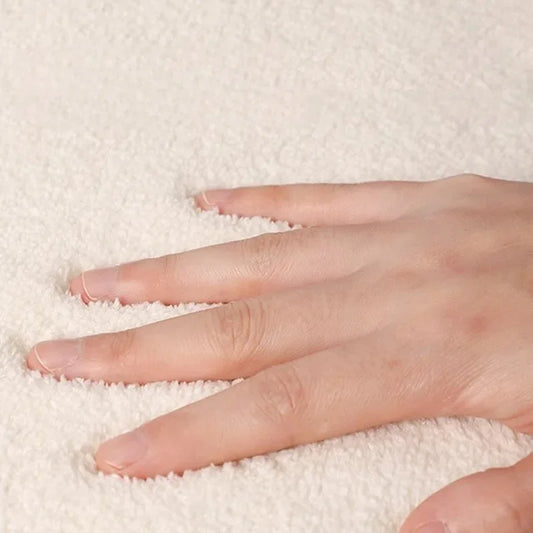
Cream Irregular Shaped Rug | Minimalist Non-Slip, Soft Carpet
$89.95 USD$134.95 USDSave $45.00Sale


FAQ
Learn how to choose the right pieces from this collection
What size rug should I choose for my room?
As a rule, larger rugs make a room feel bigger and more cohesive. In a living room, aim for at least the front legs of your sofa and chairs to sit on the rug; in a dining room, the rug should extend about 60cm beyond the table on all sides so chairs stay on it when pulled out; and in a bedroom, choose a size that reaches past the sides and foot of the bed for a soft landing.
How do I stop my rug from slipping?
Use a non-slip rug pad underneath, especially on hard floors like tile or wood. A pad prevents sliding and curling corners, adds cushioning underfoot, and protects both the rug and the floor from wear. It is the single best thing you can do to make a rug safer and longer-lasting.
How do I clean and maintain a rug?
Vacuum regularly to lift dirt before it settles into the fibers, and rotate the rug every few months so it wears evenly. Blot spills immediately with a clean cloth rather than rubbing, and check the product care notes for whether a rug is spot-clean, machine washable, or best cleaned professionally.
Which rug material is right for me?
Think about the room and the traffic. Flat-weave and short-pile rugs are durable and easy to clean, making them ideal for busy living rooms, hallways, and homes with kids or pets. Softer, higher-pile rugs feel luxurious underfoot and suit bedrooms or low-traffic spaces where comfort matters more than hard wear.
Are these rugs suitable for high-traffic areas?
Yes, our flat-weave and short-pile styles are built to handle everyday foot traffic and are simple to maintain. For entryways and hallways, a darker tone or subtle pattern also helps disguise dirt between cleans.
Will the rug shed?
Some natural-fiber and higher-pile rugs may release a few loose fibers when new, which is normal and settles within the first couple of weeks of gentle vacuuming. Flat-weave and machine-made rugs shed very little, making them a low-maintenance choice.